Source Indoor Sports Synthetic Turf for Racing, Entertainment, and Landscaping
Find 28 indoor sports synthetic turf options with PE and PP materials, available in 25mm to 50mm heights. Compare factory direct prices, CE and ISO certifications, and customization features for racing, entertainment, and landscaping applications; compare the available evidence and request quotations based on your requirements.
Key considerations
Products List




Comprehensive Sourcing Guide
Indoor Sports Synthetic Turf Sourcing Guide
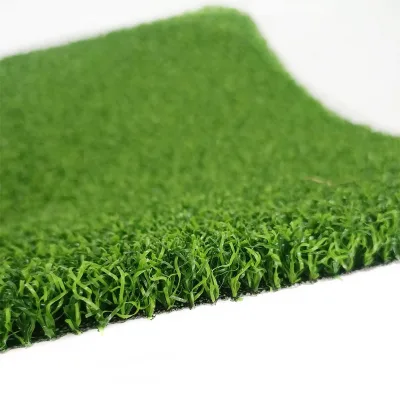
Procurement professionals must first distinguish between the specific product attributes observed in the market and general category expectations. The available data indicates a diverse range of offerings, including woven mixed grass with heights of 25mm, 30mm, and 50mm, alongside specific models like LDK1219 and AW. Buyers should verify that the selected turf matches the intended indoor application, noting that some listed products specify usage for racing and entertainment, while others are explicitly marked for outdoor use.
When evaluating listings, it is critical to cross-reference the backing materials and filament types against the specific demands of indoor sports. The observed inventory includes products with PP, PE, and mixed PP/PE materials, featuring straight cut, curving, or curl yarn forms. A buyer must ensure the selected density, such as the observed 16800 tufs/sqm, aligns with the required performance for indoor courts, while confirming that the backing system, whether SBR Latex or other composites, provides the necessary stability for high-traffic indoor environments.
Product Scope and Observed Listing Signals
Buyers should scrutinize the physical dimensions and structural profiles listed in product catalogs to ensure compatibility with indoor facility constraints. The market data reveals significant variation in height, ranging from 25mm to 50mm, and thickness specifications like 4cm, which directly impact the playing surface feel and safety. Procurement teams must verify if the observed row spacing of 3/8 inch or 3/4 inch suits the specific sport being played, as these metrics influence ball roll and player traction within an enclosed space.
The packaging and shipping specifications observed in the listings provide early indicators of supplier logistics capabilities and product protection standards. Some entries detail a safety four-layer package involving EPE and weaving sacks, while others specify standard carton packing for smaller units. Buyers need to confirm that the chosen packaging method, such as the 2 EPE and 2 weaving sack configuration, is robust enough to prevent damage during transit to indoor venues, ensuring the turf arrives in pristine condition for immediate installation.
Technical Specifications to Verify
Technical due diligence requires a rigorous check of the filament composition and backing integrity to guarantee long-term durability in indoor settings. The observed products utilize materials like PE and PP with varying denier counts, such as PE13000 Dtex, and specific twist numbers like 8800 Dtex. Procurement specialists must validate that the yarn form, whether monofilament or straight cut, meets the friction and wear requirements of the specific indoor sport, ensuring the surface does not degrade prematurely under heavy foot traffic.
Verification of the ground cloth and base layer is equally essential for maintaining surface stability and drainage capabilities within an indoor facility. Listings mention ground cloths ranging from grid to complex structures, with bases specified as asphalt or other materials. Buyers must confirm that the selected ground cloth, such as the grid type, provides adequate support for the turf pile and that the overall system, including the 2mx25m or 4mx25m standard sizes, fits the dimensions of the indoor court without requiring excessive cutting or waste.
Compliance and Safety Documentation
Safety compliance is a non-negotiable aspect of sourcing indoor sports turf, requiring verification of recognized international certifications. The observed product data lists certificates including CE, Nscc, ISO9001, ISO14001, and OHSAS, which serve as critical indicators of manufacturing quality and safety adherence. Buyers must request current certification documents to ensure the supplier maintains these standards, as these credentials often dictate eligibility for professional sports venues and public recreational facilities.
Beyond general certifications, specific safety documentation regarding material toxicity and fire resistance must be obtained for indoor applications. While the observed data highlights a "National Class" or "International Class" grade, procurement teams should explicitly ask for test reports confirming the material's compliance with indoor air quality standards and fire safety regulations. Ensuring the turf meets these specific safety thresholds protects the facility from liability and guarantees a safe environment for athletes and spectators.
Cost Drivers and Commercial Terms
Understanding the cost structure of synthetic turf involves analyzing the relationship between material quality, customization, and order volume. The observed price range spans from 1.18 to 2000 USD, reflecting the vast differences in product specifications, such as height, density, and backing complexity. Buyers should correlate the factory direct price claims with the specific technical attributes of the product, recognizing that higher density or specialized yarn forms like curving or curl will inherently command a higher unit cost.
Commercial terms, including lead times and minimum order quantities, significantly impact the overall procurement strategy and project timeline. The data indicates a lead time of 20-30 days after payment and MOQs ranging from 1 to 1000 units, depending on the supplier and product type. Procurement managers must negotiate these terms carefully, ensuring that the lead time aligns with the installation schedule and that the MOQ is feasible for the specific project scale, whether it is a small indoor court or a large multi-purpose facility.
Supplier Qualification and Quality Control
Supplier qualification requires a thorough assessment of the manufacturer's origin and their established quality control processes. The observed products originate from locations such as Linyi City, Shandong Province, and China, indicating a concentration of manufacturing in specific industrial hubs. Buyers should verify the supplier's production capacity and history, ensuring they have a proven track record of delivering consistent quality for sports applications, particularly given the diverse range of models and specifications available in the market.
Quality control protocols must be explicitly defined before placing an order to mitigate the risk of receiving substandard materials. The observed warranty period of 12 months suggests a baseline expectation for product longevity, but buyers should seek detailed quality assurance plans that cover the entire production cycle. This includes verifying the consistency of the grass height, the integrity of the backing, and the accuracy of the packing specifications to ensure the final product meets the rigorous demands of indoor sports environments.
Long-Term Procurement Checks
Establishing a long-term procurement strategy involves monitoring the warranty performance and after-sales support provided by the supplier. The observed 12-month warranty offers a starting point for evaluating supplier confidence, but buyers should clarify the specific terms regarding coverage for wear and tear in high-traffic indoor areas. A robust after-sales support system is essential for addressing any potential issues that may arise post-installation, ensuring the facility remains operational and safe for its intended users.
Continuous evaluation of the product's performance over time is necessary to validate the initial selection and inform future purchasing decisions. Buyers should track metrics such as the retention of grass height, the condition of the backing, and the overall appearance of the turf after extended use. By maintaining a record of these observations, procurement teams can make data-driven decisions for future replacements or expansions, ensuring the continued quality and safety of the indoor sports facility.
FAQs
What certifications are required for indoor sports synthetic turf?
Reputable indoor sports synthetic turf typically holds CE, ISO9001, ISO14001, and OHSAS certifications. These credentials verify that the manufacturing process meets international quality and environmental standards. Buyers should request valid certificates to ensure the product complies with safety regulations and industry best practices for athletic surfaces.
How long is the lead time for manufacturing synthetic turf?
The standard lead time for manufacturing synthetic turf is 20-30 days after payment confirmation. This duration allows for production scheduling, quality control checks, and final packaging. Buyers should account for this timeframe when planning installation projects to avoid delays in facility opening or event scheduling.
What is the typical warranty period for synthetic turf products?
The typical warranty period for synthetic turf products is 12 months. This coverage protects against manufacturing defects and material failures under normal usage conditions. Buyers should review specific warranty terms to understand what is included, such as color fastness or backing integrity, before finalizing procurement agreements.
Can synthetic turf be customized for specific sports requirements?
Yes, synthetic turf can be customized to meet specific sports requirements. Manufacturers offer options for grass height, density, and backing materials to suit different athletic activities. Customization ensures optimal performance for racing, entertainment, or recreation, allowing buyers to tailor the surface to their exact operational needs.
What packaging methods are used to protect synthetic turf during shipping?
Synthetic turf is typically packed using a safety four-layer package consisting of two layers of EPE and two weaving sacks. This robust packaging protects the material from moisture and physical damage during transit. Some products may also use carton packaging for smaller orders, ensuring safe delivery to the destination.
What materials are commonly used in synthetic turf construction?
Common materials used in synthetic turf construction include PP and PE for the grass fibers, with a backing of PP, net, and SBR latex. The grass silk often uses PE13000 Dtex for durability. These materials provide a balance of resilience, weather resistance, and realistic appearance for indoor and outdoor applications.